What the Ramp Doesn't Tell You: An Access Walk Through Colchester's Art Spaces
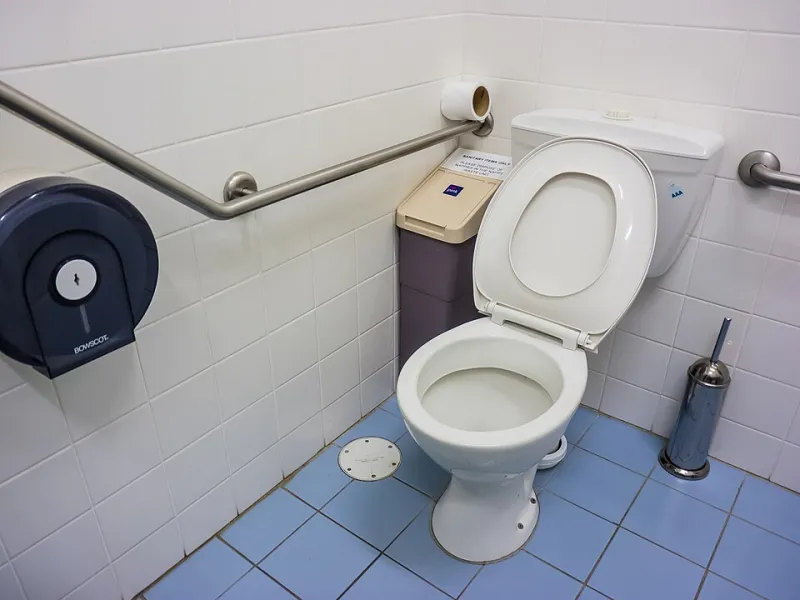
Photo: John Robert McPherson, CC0, via Wikimedia Commons
An access audit can sound like a clipboard exercise. In practice, it is a walk through a town with a different pair of eyes — and ears, and knees, and energy levels. Colchester has a compact, walkable art map, but the experience of moving through it changes enormously depending on whether you use a wheelchair, walk with a stick, lip-read, need a quiet corner, or simply run out of steam halfway round.
This is not a list of rulings. It is a practical guide for planning an art day out in Colchester, based on the things that matter once you are past the website and standing at the door. It is also a nudge to venues: most of the fixes below cost less than a new frame.
Start at the door, not the homepage
Step-free access is usually advertised as a single tick-box. In reality it is a chain of small moments: the pavement outside, the threshold, the door weight, the width of the lobby, the lift, the second door nobody mentions. A ramp at the entrance is welcome. A heavy fire door halfway through the route is not.
At larger venues in town, automatic doors and lifts do much of the work. Smaller studios and artist-led spaces are often reached by buzzer, a narrow hallway or a shared entrance. That does not make them unwelcoming, but it does mean the access information needs to be specific. 'We are accessible' is less useful than 'there is a step-free entrance on the side street, a bell at 1.2 metres, and a staff member will meet you'.
Front-of-house teams tend to know this. One recurring comment from gallery staff is that the best access tool is a phone call ahead — not because the venue is unprepared, but because the route changes with exhibitions, deliveries and events. If you are planning a visit, ring or email and ask about the exact door you will use. If you are a venue, put that information on the website in plain language, with a photo of the entrance.
The seat is part of the artwork
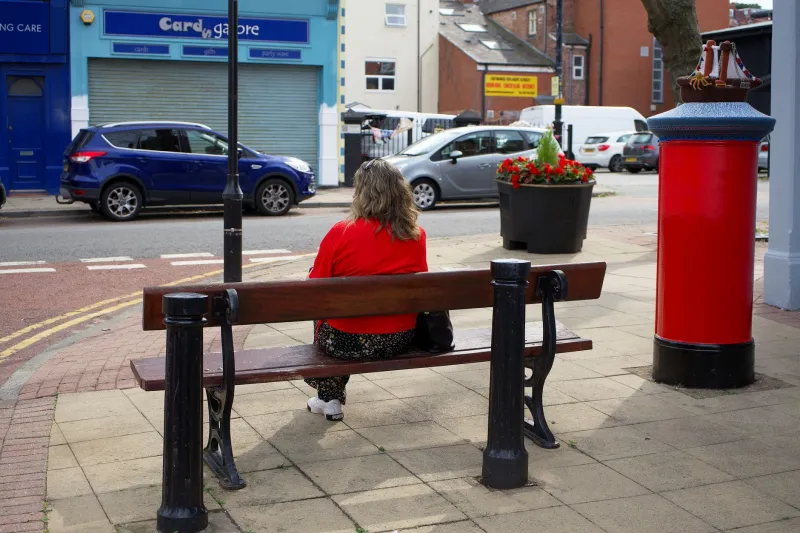
Seating is the quiet hero of any gallery visit. A bench in the right place lets someone look longer, rest, or simply stay for the second room. A bench in the wrong place becomes an obstacle. In smaller Colchester spaces, seating is often limited to a chair behind a desk or nothing at all.
This is one of the cheapest improvements available. A lightweight stool by the door, a folding chair that staff can bring out, or a clear invitation to ask for a seat can transform a visit. For disabled artists, the issue is not only viewing. It is delivering work, invigilating a show, installing a piece, or attending an opening. A chair is not a luxury; it is part of the working day.
Light, labels and finding your way
Lighting does two jobs at once. It shows the work and it shapes how tiring the room feels. Spotlights that glare off labels, dark corners, or a sudden change from bright street to dim gallery can all make a visit harder. Good venues adjust labels and sightlines where they can. Less good ones leave you squinting at a caption that is too small, too low or too far from the work.
Signage is the other half of the story. A clear street-level sign, a visible welcome desk, and a simple map of the building do more than a glossy leaflet. Hearing loops need signage too: if a loop exists but nobody knows where to switch it on, it is not doing its job. Large-print labels, captions for audio work, and plain-English exhibition introductions are all low-cost ways to widen the door.
Sensory load is harder to see but easy to feel. Echoing rooms, overlapping audio, crowds at a private view, and bright flickering screens can make a space exhausting. Quiet hours, a printed 'what to expect' note, and a clearly marked place to sit away from the main sound are practical responses. They do not dilute the art. They help more people meet it.
What it costs to walk in
Most public gallery entry in Colchester is free, which is a genuine strength. Workshops, talks, films and special events often carry a ticket price. The less visible costs are travel, café stops, and the extra time a disabled visitor may need to build into the day. Ask about companion tickets and concession rates before booking. A venue that states its policy clearly saves everyone an awkward conversation at the desk.
What staff say works
Across front desks, the same practical themes come up: clear access information, staff who have walked the route themselves, and a willingness to be honest about limitations. One person may know exactly where the lift is; another may not. A short access briefing for all front-of-house staff is a cheap fix with a long reach.
Disabled artists and visitors are not asking for a separate art world. They are asking for the same things everyone benefits from: somewhere to sit, a door that opens, a label you can read, and a route you can trust.
A checklist for planning an art day out in Colchester
- Check the entrance: look for a photo or description of the step-free door, not just the word 'accessible'.
- Ring ahead: ask about lifts, door weights, seating and the quietest time to visit.
- Plan a rest stop: identify a bench, café or seating area between venues.
- Ask about hearing loops and captions: confirm whether they are available for the specific exhibition or event.
- Check ticket costs: ask about concessions, companion tickets and free entry.
- Build in slack: a compact town centre still takes longer when access needs are part of the route.
- Speak up: feedback to front-of-house helps venues fix the small things before the next show.
Five low-cost fixes venues could make before the next show
- Publish a plain-English access note with a photo of the entrance and the location of the nearest step-free route.
- Put a stool or folding chair in every gallery room, with a small sign inviting visitors to use it.
- Print a large-print label sheet for the main works, kept at the welcome desk.
- Check the hearing loop and sign it clearly, including how to switch it on.
- Try one quiet hour during the run of an exhibition, with lower sound and a seated area away from the busiest corner.
None of these replace proper access planning. But they are the kind of practical, human-scale changes that make Colchester's art spaces feel more open — not just on paper, but from the pavement to the painting.