Small Commissions, Big Meaning: The Quiet Rise of Personal Art in Colchester
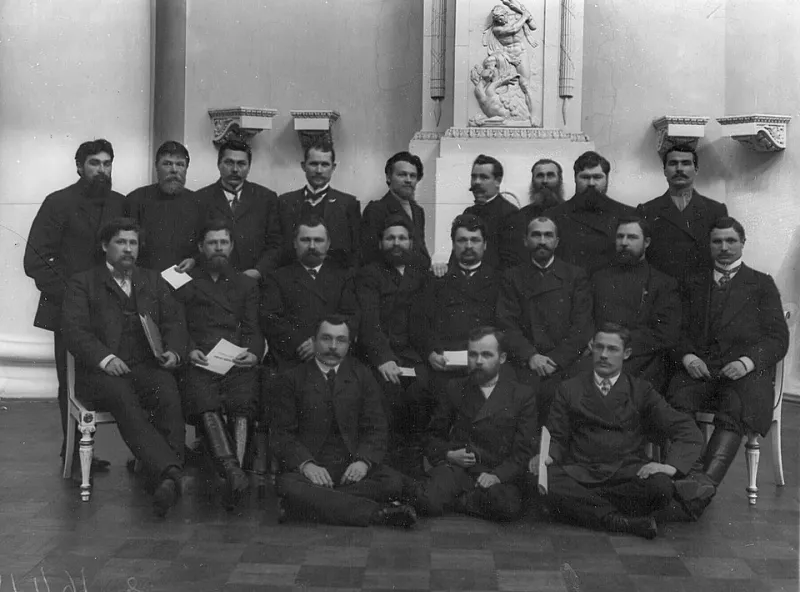
Photo: Unknown photographer, Public domain, via Wikimedia Commons
Something quietly useful is happening in Colchester’s creative economy, and it is not happening in a gallery. It is happening in living rooms, in emails, in small envelopes of cash and in the awkward, hopeful conversation between a resident and an artist. People are commissioning work to mark a moment: a seventieth birthday, a first house, a wedding anniversary, a community garden opening, a baby’s arrival. These are not grand civic commissions. They are small, personal and often deeply local. I think they matter more than we usually admit.
The milestone is not the point — the pause is
A commission is a strange and lovely thing. Someone stops and says: this moment deserves more than a card. It deserves time, attention and a bit of someone else’s skill. The object itself might be a painting of a favourite pub, a drawing of a family home, a textile piece for a new baby or a small sculpture for a garden. But the real product is the pause. It is the decision to mark a moment with care instead of rushing past it.
That is why these commissions feel different from buying a print online. A print is fine. I have bought plenty. But a commission carries a conversation. It carries the story of why this place, this person, this date. In a town like Colchester, where so much of our identity is layered and local, that conversation often becomes a way of saying: I belong here, and so do you.
A different kind of art market
Much of the art world talks about discovery, investment and the next big name. The small-commission market talks about whether the frame will fit above the sofa. That sounds less glamorous, but it is more sustainable. A local artist can build a practice on birthday portraits, house drawings and community gifts. It pays for materials, studio time and the unglamorous hours that nobody sees.
As we head towards the end of 2026, I have noticed more people asking artists directly rather than waiting for a gallery to tell them what to buy. Social media has made that easier, but the impulse is older. People want something that could only have been made for them. They want the maker to know the street, the pub, the garden, the person. That is a real advantage for Colchester artists, who can walk the same routes as their clients.
What people are actually asking for
The requests are often smaller and more specific than you might imagine. A watercolour of a parents’ front door. A pencil drawing of a much-loved dog. A map of a childhood walk. A ceramic bowl for a retirement. A mural for a community hall. A portrait of a house before it is sold. A piece of jewellery made from a family recipe? That one is unusual, but not impossible.
The best commissions are not always the most ambitious. They are the ones where the brief has a clear heart. 'I want my mum to see the garden she made' is a better brief than 'something abstract but meaningful'. Artists can work with feeling, but they need a few facts too: size, budget, deadline, where it will live and whether it needs to survive a toddler or a radiator.
Why local artists benefit
When a resident commissions a Colchester artist, the money tends to stay in Colchester. It goes to a studio, a framer, a materials shop, a childcare bill. That is not a small thing. The creative economy is not just exhibitions and ticket sales. It is also the quiet exchange between neighbours. Every commission is a vote for the idea that art is something made by people who live here, not just something imported for a weekend.
It also builds trust. A resident who commissions a birthday drawing may come back for a wedding gift, then recommend the artist to a friend, then turn up at an open studio. That is how small commissions become long relationships. It is slower than a viral post, but it is sturdier.
The intimidation problem
Here is the bit I hear most often: people are scared to ask. They think commissioning is for people with big houses and bigger budgets. They worry they will say the wrong thing, ask for something impossible or be laughed at. Artists, meanwhile, worry that a vague enquiry will turn into weeks of unpaid work.
Both fears are reasonable, which is why clear communication matters. A good commission starts with a short email, not a grand vision board. Say what the occasion is, who it is for, roughly what size you are thinking, where it might hang and what your budget is. If you do not know, say that too. Most artists would rather have an honest budget than a beautiful brief with no number attached.
How to start without feeling awkward
First, find an artist whose work you actually like. Look at local open studios, gallery noticeboards, community markets and the artists featured on sites like this one. Second, send a friendly message with the basics: occasion, deadline, budget and any must-haves. Third, accept that the artist may say no. They may be booked, or the brief may not suit them. That is not a rejection of you; it is a sign of a healthy practice.
Once you agree to go ahead, ask for a simple written agreement. It should cover the price, the size, the materials, the deposit, the delivery date and how many rounds of changes are included. Ask about framing. Ask what happens if you change your mind. These questions are not rude. They protect both sides. Do not ask for free sketches as a test; ask to see previous work instead. And pay the deposit promptly. It is the difference between a hobby and a working economy.
The risk of getting it wrong
A commission can go wrong. The artist might misread the brief. The colours might look different in your front room. The deadline might slip. That is why the conversation matters more than the object. If something feels off, say so early and kindly. Most artists want you to be happy; most clients want the artist to be paid fairly. The awkward middle ground is where good contracts and honest emails do their quiet work.
A quiet economy of meaning
I do not think small commissions will replace public funding, big exhibitions or the joy of walking into a gallery and being surprised. They do not need to. They are a different layer of the same creative ecosystem. They are the birthday present that becomes an heirloom, the housewarming gift that says we know where you live, the community gift that makes a hall feel less like a room and more like a place.
So if you have a milestone coming up, consider asking a local artist. Not because it is trendy, but because it is a way of paying attention. In a town with as much history as Colchester, we should be good at marking moments. A small commission is one of the gentlest ways to do it.