No One Is Watching: Why Colchester's Drop-In Life Drawing Rooms Are Worth Walking Into
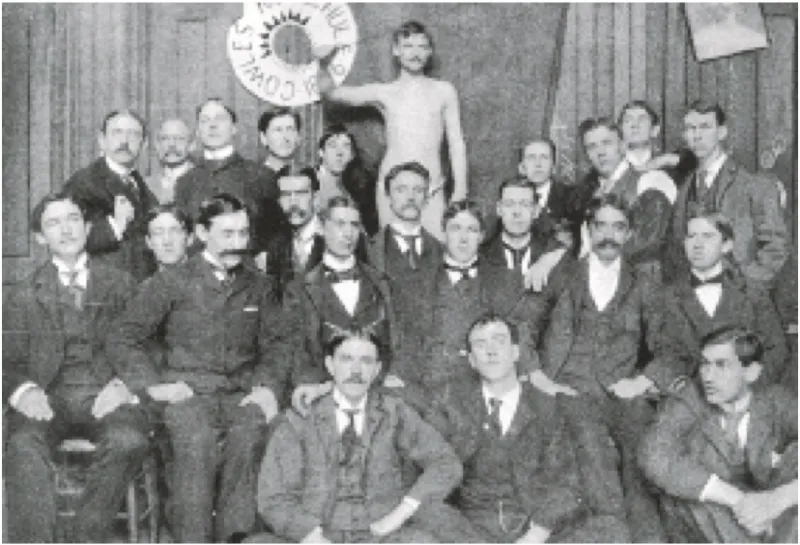
Photo: Boston Chamber of Commerce, 1897, Public domain, via Wikimedia Commons
The first time you walk into a life-drawing session, the silence is the thing. Not total silence — there is paper rustling, a chair scraping, someone whispering about charcoal — but a focused quiet that can feel like a closed door. You have a board under your arm. You do not know where to sit. You are convinced everyone else has been doing this for years and that your first line will be judged.
It will not be. That is the first thing regulars tell you, and the second is that they were just as nervous. Colchester's drop-in drawing scene is smaller and friendlier than it looks from the outside. There are sessions in church halls, studio rooms and gallery spaces, some with a tutor, many without, and almost all of them have a place for a beginner who turns up alone.
What actually happens
Most sessions run two or three hours. You pay £8-£12, sometimes less for students, and you get a model, a warm room and a timetable of poses. The first few are short — one or two minutes — to get everyone's hand moving. Then they lengthen: five, ten, twenty minutes. There may be a break for tea and biscuits. There may be music, or not. There may be a tutor circulating, or the organiser may simply say 'we start in five minutes' and leave you to it.
The atmosphere is not a class and not an exam. It is a room full of people looking hard at the same thing and trying to put it down on paper. Some are very good. Some are not. Nobody is marking.
What to bring
A sketchbook or a few sheets of paper, a board to lean on, and something to make marks with. Charcoal is the classic for a reason: it is fast, forgiving and cheap. A pencil is fine. So is a brush pen, conté crayon or a tablet if that is your thing, though most sessions are paper-based and some ask you to keep screens away from the model. Bring a putty rubber, a cloth or kitchen roll, and a clip or two for your paper. Wear something you do not mind dusty.
If you do not have a board, ask. Many sessions keep a few spares, and organisers would rather lend you one than have you turn up empty-handed. Some also sell paper at cost. Check before you go; a quick message to the organiser is normal and welcomed.
The etiquette of the easel circle
Arrive ten minutes early. Not because there is a rule, but because setting up in a rush is the one thing that makes a room feel unwelcoming. Set up so you can see the model without blocking someone else. Do not stand in front of the model to get a better angle. Keep phones silent and out of sight; if you need to check the time, be discreet. Do not photograph the model unless you have asked and been told yes. Do not comment on the model's body. Do not give unsolicited advice to the person next to you. Clean up your charcoal dust. Put your chair back.
That is most of it. The rest is simple: be quiet while people are drawing, be friendly at the break, and remember that the model is doing a job. They are not there to be stared at, and they are certainly not there to be commented on.
Why regulars keep coming back
Ask people why they come and you get two answers. The first is the drawing. Regular practice makes you see better, and seeing better makes everything else easier. The second is the room. 'I came for the drawing and stayed for the people,' one regular at a Tuesday session told me. 'You get a cup of tea and a chat, and nobody thinks it is weird that you are covered in charcoal.'
For anyone working alone, that matters. Colchester has a lot of artists and illustrators who spend most of the week at a kitchen table. A drop-in session is a low-commitment way to be in a room with other people who care about the same thing. You do not have to talk. You do not have to show anyone your work. But you are not alone.
A short list of recurring sessions
These are the sessions people mention most often. Times and prices change, so check the venue's socials or send a message before you turn up.
- Tuesday evening life drawing at a church hall off Maldon Road: two hours, untutored, £10, bring your own materials and a board. Good for beginners; the organiser sets up a clear pose timetable and there is a proper tea break.
- First Sunday sketch club at a gallery space in the town centre: a mixed session with short poses and longer studies, £8, some materials provided. Smaller and quieter than the evening sessions.
- Thursday drop-in at a shared studio on North Hill: untutored, £12, two models on alternate weeks. Popular with illustrators and animation students.
- Saturday morning sketch meet at Castle Park, weather permitting: free, informal, no model, just people drawing in the park and meeting at a bench afterwards. Bring a flask.
First-timer tips
Tell the organiser it is your first time. They will point you towards a spot and probably introduce you to someone. Sit at the edge of the circle if you feel nervous; you can always move closer later. Start with short poses and do not try to make a finished drawing. Bring more paper than you think you need. Wear dark clothes. Stay for the break. Leave when you want to leave.
The worst thing that will happen is that you make some bad drawings and drink a cup of tea. The best thing is that you find a weekly anchor for your creative life, a room where nobody is watching and everybody is looking.
If you have been waiting for an invitation, this is it. Colchester's sketch clubs are not a secret society. They are just people who have decided to spend Tuesday evening drawing. Take a board. Take a pencil. Go.