Clay, Canvas and Pixels: Three Colchester Artists on Making It Work
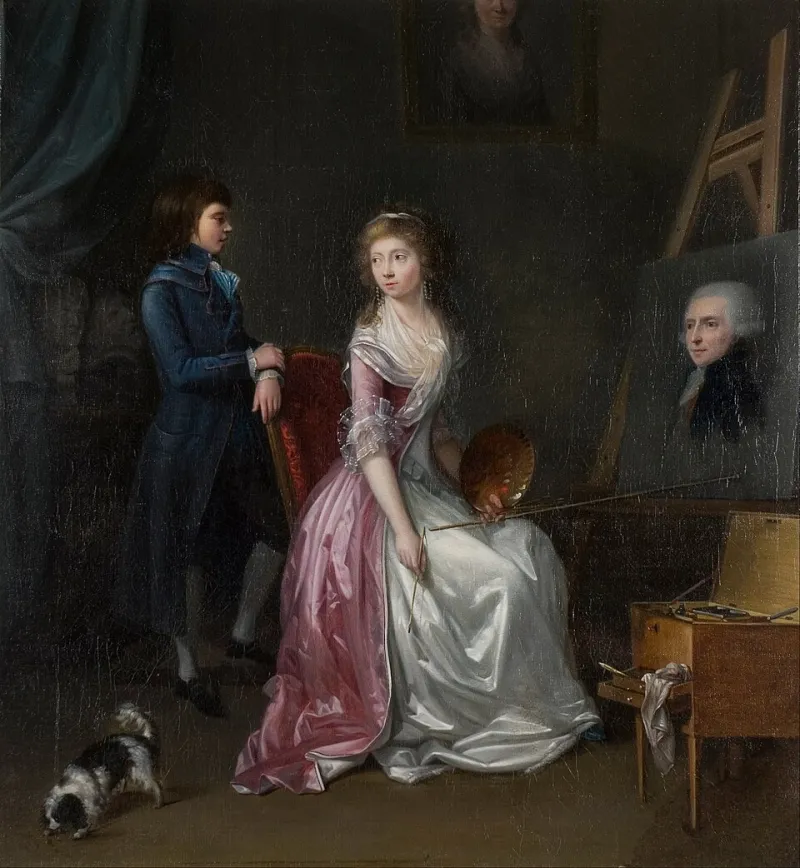
Photo: Unidentified painter / Formerly attributed to Marguerite Gérard, Public domain, via Wikimedia Commons
Colchester's art scene isn't just about what hangs on gallery walls. It's about the people who make the work—the ones squeezing in studio time between day jobs, school runs and freelance deadlines. We visited three local artists to find out what their days actually look like, and how this town influences what they make.
Sarah: the painter who works with morning light
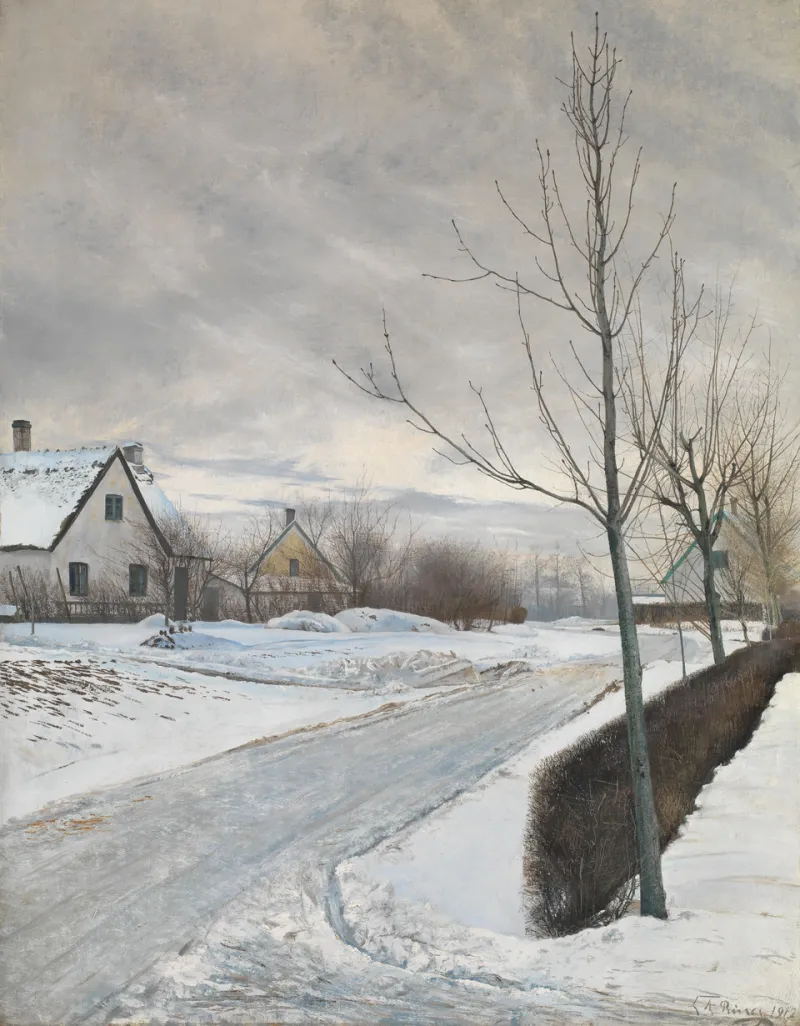
Sarah's studio is a converted garage in New Town, and it smells of linseed oil and strong coffee. She paints landscapes—mostly the flat, wide skies of north Essex—and she's been at it for fifteen years. 'I have a routine,' she says. 'Up at six, walk along the River Colne, then paint until noon. After that, I teach art part-time at a local college.' That balance is deliberate. 'Teaching pays the bills, but it also feeds me. I see how beginners look at things. It keeps me honest.' Sarah's work is rooted in Colchester's edges: the marshes, the old railway lines, the castle seen from a car park. 'I'm not interested in pretty postcards,' she says. 'I'm interested in the awkward bits. The places where the town forgets itself.' Her advice to other artists? 'Don't wait for a studio. I painted in my kitchen for years. You make it work.'
Marcus: the sculptor who salvages the Hythe
Marcus works out of a drafty industrial unit near the Hythe, surrounded by twisted metal, old tools and half-finished figures. He's a sculptor, mostly in recycled steel, and his hands are a map of small scars. 'I've always made things,' he says. 'As a kid, I'd build bikes from scraps. Not much has changed.' His day starts early—sourcing materials from scrapyards and skips—and ends late, often with a commission for a garden sculpture or a community project. 'Colchester's industrial past is everywhere if you look,' he says. 'The river, the old foundries, the railway. My work is about that. It's about what we leave behind.' Marcus has shown at local festivals and small galleries, but he's not chasing fame. 'I'd rather make something that sits in someone's garden and makes them smile every day. That's success to me.' He also runs workshops for teenagers. 'They need to see that art isn't just drawing. It's making stuff with your hands. It's problem-solving.'
Aisha: the digital illustrator who works from a spare room
Aisha's studio is a corner of her spare room in Greenstead, and it's surprisingly tidy: a drawing tablet, a second monitor, a plant that's seen better days. She's a digital illustrator, working on everything from children's books to editorial commissions. 'I always drew,' she says. 'But I didn't think it could be a job. My parents wanted me to be a doctor.' She studied graphic design, then went freelance five years ago. Her days are structured: client work in the morning, personal projects in the afternoon. 'I need that split,' she says. 'Otherwise the paid work eats everything.' Her inspiration comes from Colchester's ordinary streets: the market, the bus station, the community centre where she runs a monthly sketch club. 'I love drawing people who aren't posing,' she says. 'The woman at the bus stop. The bloke selling flowers. That's where the stories are.' She admits the freelance life is tough. 'You have to hustle. But Colchester is affordable, and there's a real community of creatives here. That helps.'
What Colchester gives them
All three artists mention the same things: space, affordability, and a supportive network. 'It's not London,' Sarah says. 'You don't have to fight for attention. But you also have to make your own opportunities.' Marcus agrees. 'There's less competition, which means you can experiment.' Aisha adds, 'The art scene here is small enough that you can actually know people. That's rare.' Of course, there are challenges—funding, visibility, the constant juggle of paid work and personal practice. But these three wouldn't be anywhere else. 'Colchester is my home,' Sarah says. 'It's in my work whether I like it or not. The light, the flatness, the history. It's all there.'
So next time you see a painting in a café, a sculpture in a garden, or an illustration on a book cover, remember: there's a person behind it, making it work, day by day, in this town. That's worth celebrating.